


Stephen Robins KC acted for the successful appellants in this appeal arising from a long-running dispute in respect of a property development in Birmingham. The judge at first instance had held that the appellants (who were the defendants in the underlying proceedings) had failed to comply with an unless order and were debarred from defending the claims against them. He entered judgment for the claimants.
The Court of Appeal allowed the appeal, holding that the judge had misconstrued the terms of the unless order by applying case law in respect of requests for further information under Part 18 of the CPR. Newey LJ (with whom Lewison and Cobb LJJ agreed) held that: (i) an unless order must be restrictively construed; (ii) whether a person has attempted to comply in good faith is not the applicable test; and (iii) “the terms of an unless order are crucial”. An unless order must be construed in the usual way to determine whether or not it has been complied with: “If, properly interpreted, such an order stipulated that X would happen unless Y was done, then, in the absence of relief from sanction, the order will have taken effect if it is clear that Y was not done”.
The Court of Appeal also held that the judge was wrong to hold that he would have struck out the defendants’ defences and debarred them from defending the claim, even if there had been no breach of the unless order. Newey J held that an order debarring a defendant from defending “is draconian and must be seen as a remedy of last resort”. He held that the judge had wrongly failed to consider whether a further unless order would be a more proportionate and appropriate remedy in the circumstances.
Accordingly, the Court of Appeal set aside the judge’s orders and directed that there should be a re-trial before a different judge.
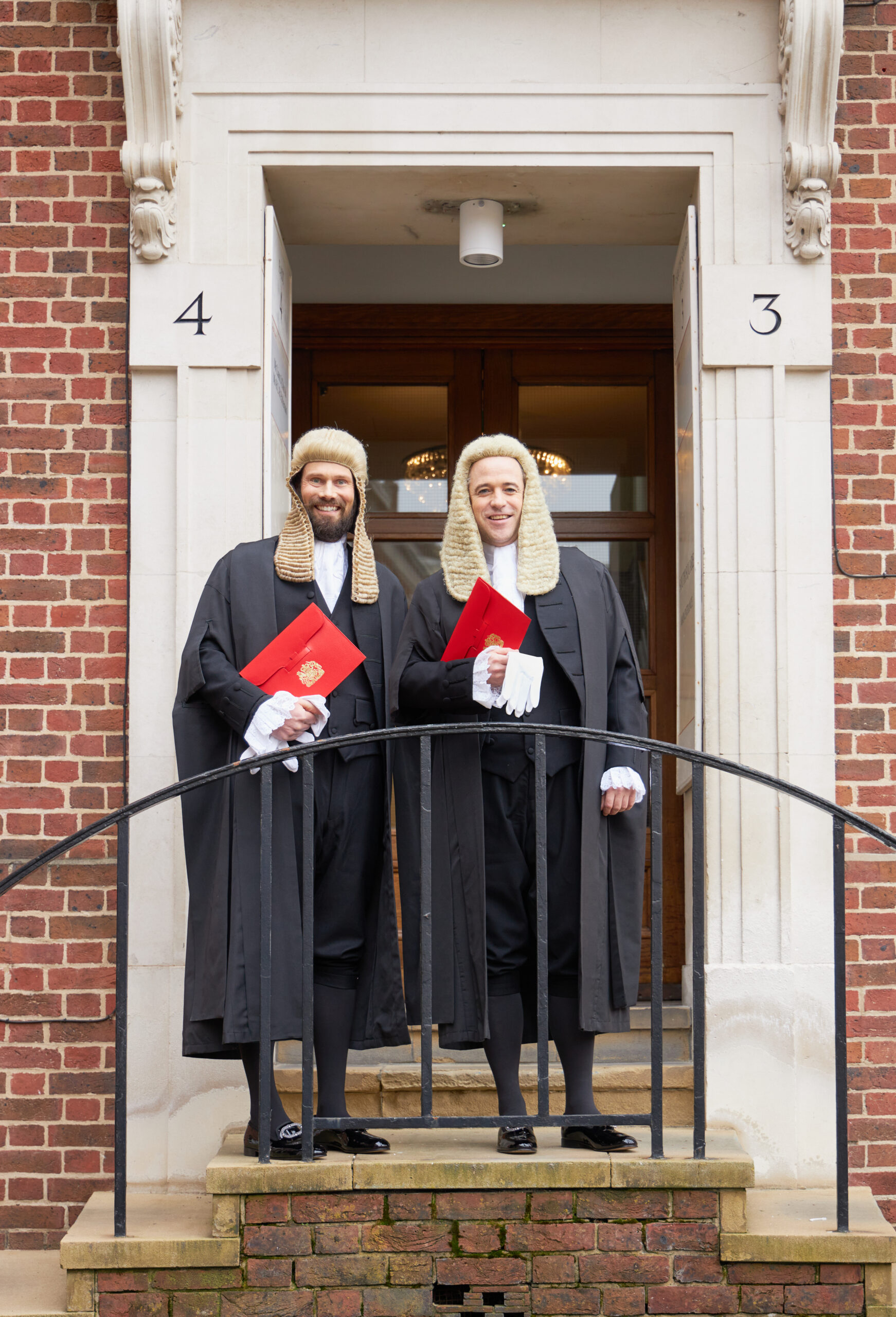
Stephen Robins KC (who did not appear at first instance) acted for the successful appellants in the Court of Appeal.
The hearing in the Court of Appeal may be viewed on YouTube here.
![Judgment Hand Down: Re Equity for Growth (Securities) Limited [2026] EWHC 696 (Ch)](https://southsquare.com/wp-content/uploads/2025/06/alejandro-pohlenz-gYbOFTwcJx4-unsplash-scaled.jpg)

![NEW DECISION OF THE COURT OF APPEAL – Midland Premier Properties Ltd & Anor v Doal & Ors [2026]](https://southsquare.com/wp-content/uploads/2025/06/matthew-henry-VviFtDJakYk-unsplash-scaled-e1750083975207.jpg)
![New Judgment: CM Telecom (UK) Ltd v Buck [2026] EWHC 161 (Comm)](https://southsquare.com/wp-content/uploads/2025/06/tingey-injury-law-firm-DZpc4UY8ZtY-unsplash-scaled-e1750759105761.jpg)


![New Judgment: Re Eversholt Rail (365) Limited [2026] EWHC 101 (Ch)](https://southsquare.com/wp-content/uploads/2023/07/AdobeStock_334844505-scaled-e1691401199932.jpeg)